
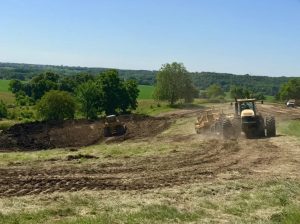
Clearing trees can feel like a fresh start when opening up land, improving access, or preparing for something new. But before you fire up the equipment and start knocking down timber, it’s worth taking a closer look at what’s beneath, around, and beyond those trees. A thorough approach can save time, money, and a whole lot of frustration down the road.
What Lies Beneath Matters More Than You Think
It’s easy to focus on what’s visible, such as tree size, density, and terrain, but the real story often lives underground. Tree roots can intertwine with drainage systems, old fence lines, or even forgotten infrastructure. Disturbing these without a plan can lead to costly repairs later.
Subsurface drainage, in particular, deserves careful attention. Healthy fields depend on it, and tree removal can disrupt tile lines if you’re not strategic. Before clearing, it’s smart to assess whether your drainage system is mapped, functioning properly, or in need of upgrades. A good starting point is understanding how subsurface drainage systems work and how they might be affected.
Purpose Drives the Process
Why are you clearing the trees? The answer shapes everything.
If you’re expanding farmland, you’ll want to think about soil quality, grading, and how water will move once those trees are gone. Clearing for recreational use, like hunting trails, requires a different mindset, as you want to preserve natural movement patterns and maintaining cover can be just as important as access.
As such, having a clear purpose helps determine the right equipment, the extent of clearing, and whether additional steps like terracing or drainage improvements should happen at the same time. Planning ahead often prevents the need to redo work later. If you’re unsure where to begin, exploring options like land clearing strategies can help clarify your goals.
Timing, Terrain, and Technique
Not all clearing jobs are created equal. Wet conditions can lead to soil compaction and rutting, while dry conditions may make debris management more difficult. Seasonal timing plays a bigger role than many expect.
Terrain also dictates technique. Sloped ground may require erosion control measures, such as terraces, to prevent runoff issues after trees are removed. Meanwhile, flat land with poor drainage might benefit from tile work before or immediately after clearing.
And then there’s the method itself; selective clearing versus full removal, grinding versus hauling, and how debris is handled. Each decision impacts the long-term usability of the land. Taking time to evaluate best practices for tree clearing can make a noticeable difference in the outcome.
If you’re looking for reliable tree clearing services in Iowa, reach out to us today.
Leave a Reply